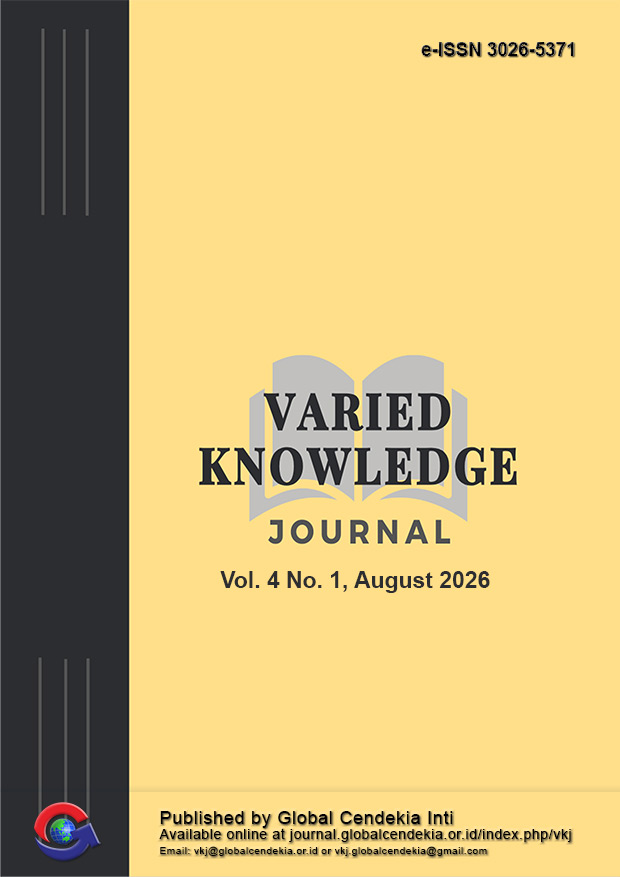
Development of a Chinese Bridal Makeup Instructional Video for the International Bridal Makeup Course
DOI:
https://doi.org/10.71094/vkj.v4i1.351Keywords:
Instructional Video, Chinese Bridal Makeup, International Bridal MakeupAbstract
The use of digital learning media, particularly instructional videos, provides an effective solution for supporting learning in makeup artistry. However, instructional videos specifically addressing Chinese bridal makeup remain limited. This study aims to develop an instructional video on Chinese bridal makeup that is suitable, practical, and effective for the International Bridal Makeup course. The study employed the ADDIE development model, consisting of Analysis, Design, Development, Implementation, and Evaluation. Product feasibility was assessed through validation by material and media experts, while practicality was evaluated through trials involving undergraduate students from the 2023 Cosmetology Education cohort who had studied Chinese bridal makeup. The practicality trials consisted of a one-to-one trial with three students and a small-group trial with 15 students. Material Expert I validation increased from 83.63% in the first stage to 87.27% in the second stage, both categorized as highly suitable. Material Expert II provided a score of 90.90%, categorized as highly suitable, with no revisions required. Media validation increased from 73.75% to 81.25% after revision. The one-to-one trial achieved 94.40%, while the small-group trial achieved 91.56%. The field test showed an increase in the average score from 24 in the pre-test to 100 in the post-test, with an average N-Gain score of 1.00. These findings indicate that the instructional video is highly suitable, practical, and effective as an alternative learning medium for Chinese bridal makeup.
Downloads
References
Ahyani, E., & Dhuhani, E. M. (2024). Transformasi digital dalam manajemen perkantoran pendidikan: Sebuah kajian literatur. Jurnal Visionary: Penelitian dan Pengembangan di Bidang Administrasi Pendidikan, 12(1), 205. https://doi.org/10.33394/vis.v12i1.10785
Anderson, L. W., & Krathwohl, D. R. (2001). A taxonomy for learning, teaching, and assessing: A revision of Bloom's taxonomy of educational objectives. Longman.
Anggraeni, S. W., Alpian, Y., Prihamdani, D., & Winarsih, E. (2021). Pengembangan multimedia pembelajaran interaktif berbasis video untuk meningkatkan minat belajar siswa sekolah dasar. Jurnal Basicedu, 5(6), 5313–5327. https://doi.org/10.31004/basicedu.v5i6.1636
Apriliyandy, S. R. (2020). Pengembangan modul pembelajaran tata rias pengantin Barat di Program Studi Pendidikan Tata Rias. Jurnal Tata Rias, 10(1), 13–25. https://doi.org/10.21009/10.1.2.2009
Asnafiyah, & Muffida, R. H. (2026). Pengembangan flipbook berbasis gamifikasi sebagai buku pendamping IPAS materi keragaman budaya Indonesia kelas IV SD/MI. Al-Mudarris (Jurnal Ilmiah Pendidikan Islam), 9(2), 15–32. https://doi.org/10.23971/mdr.v9i2.11573
Daniyati, A., Saputri, I. B., Wijaya, R., Septiyani, S. A., & Setiawan, U. (2023). Konsep dasar media pembelajaran. Journal of Student Research, 1(1), 282–294. https://doi.org/10.55606/jsr.v1i1.993
Faidah, M., & Wahyuningsih, A. E. (2020). The analysis of traditional Muslim bridal by makeup artists on Instagram media. Jurnal Pendidikan dan Keluarga, 12(2), 1. https://doi.org/10.24036/Jpk/Vol12-Iss02/768
Hamidah, I., Zefanya, W., Hidayah, F. N., Tiara, D. N., Krisnawati, M., Ratri, P. A., & Hidayati, R. (2025). Chinese bridal makeup and fashion: A blend of modernity and tradition on the Sangjit day. Jurnal Tata Rias, 15(1), 67–77. https://doi.org/10.21009/jtr.15.1.08
Irtawidjajanti, S., & Azahra, K. L. (2023). Pembuatan video tutorial riasan mata dengan teknik aegyo-sal pada pengantin internasional. Jurnal Tata Rias, 12(1), 38–45. https://doi.org/10.21009/jtr.12.1.04
Kudriani, N., Murdana, F., & Muriati, L. (2023). Transformasi digital dalam pendidikan: Tantangan dan peluang penerapan kecerdasan buatan dalam proses pembelajaran. Jurnal Literasi Digital, 3(3), 129–139. https://doi.org/10.54065/jld.3.3.2023.596
Lamhabaha, N. N., Baidowi, B., & Suntoko, M. I. (2024). Penerapan pendekatan contextual teaching and learning untuk meningkatkan hasil belajar matematika siswa kelas VIII D SMPN 1 Mataram. Jurnal Ilmiah Profesi Pendidikan, 9(4), 2495–2504. https://doi.org/10.29303/jipp.v9i4.2777
Larasaty, D. (2024). Systematic literature review: Penggunaan media pembelajaran berbasis visual pada pembelajaran geografi materi litosfer. Geodika: Jurnal Kajian Ilmu dan Pendidikan Geografi, 8(1), 75–86. https://doi.org/10.29408/geodika.v8i1.25737
Lusiana, M., Chairani, V. S., & Marta, R. (2025). Enhancing beauty education through augmented reality: A case study of Western bridal makeup. Journal for Lesson and Learning Studies, 8(1), 64–74. https://doi.org/10.23887/jlls.v8i1.87371
Mulansari, L., Badriah, D. L., & Iswarawanti, D. N. (2024). Pengaruh edukasi video dan leaflet terhadap pengetahuan dan sikap siswi dalam konsumsi tablet tambah darah. Jurnal Ilmu Kesehatan Bhakti Husada: Health Sciences Journal, 15(2), 493–502. https://doi.org/10.34305/jikbh.v15i02.1456
Nugraha, F. A., Karyanto, Y., & Mukti, R. A. (2025). Dampak aplikasi teknik jahit bulumata dan tanpa jahit terhadap riasan mata pengantin India. BUGARIS, 2(1), 45–54. https://doi.org/10.36456/q7zd5n08
Putri, T. A. S., Suriansyah, A., & Purwanti, R. (2023). Meningkatkan motivasi belajar dan keterampilan berpikir kritis siswa menggunakan model peta pintar pada siswa sekolah dasar. PENDASI: Jurnal Pendidikan Dasar Indonesia, 7(2), 287–309. https://doi.org/10.23887/Jurnal_Pendas.V7i2.2632
Ramadhani, I. A., & Asrul, A. (2024). Development of interactive learning media based on Articulate Storyline to improve student’ science literacy. Lectura: Jurnal Pendidikan, 15(2), 533–545. https://doi.org/10.31849/lectura.v15i2.20974
Rinjani, F. K. A., Anwar, T. G., Sakti, E. P., Setyowati, M. J. A. A., Rinandi, P. D., Ihsani, A. N. N., Achmadi, T. A., & Nurhayati, I. (2026). Implementasi teknik pengaplikasian complexion dalam menciptakan makeup flawless pada tata rias pengantin Solo Putri. MARAS: Jurnal Penelitian Multidisiplin, 4(2), 520–527. https://doi.org/10.60126/maras.v4i2.1612
Syamsiani. (2022). Transformasi media pembelajaran sebagai penyalur pesan. CENDEKIA: Jurnal Ilmu Sosial, Bahasa dan Pendidikan, 2(3), 35–44. https://doi.org/10.55606/cendikia.v2i3.274
Tetha, E. R. A. M., Hidayah, N., & Supiani, T. (2024). Pengembangan video tutorial “Fresh Make Up Look” pengantin pria pada mata kuliah tata rias pengantin internasional. ADIJAYA, 2, 252–260. https://e-journal.naureendigition.com/index.php/mj
Thaitami, S. H., & Maksum, H. (2020). The development of web-based learning media on Western bridal make-up subject. Journal of Education Technology, 4(3), 264. https://doi.org/10.23887/jet.v4i3.27895
Traversa, R. (2023). Facing the skin: Layers and counter-mirror subjectivities. Subjectivity, 30(2), 130–151. https://doi.org/10.1057/S41286-023-00157-8
Tresna, N. A., & Irtawidjajanti, S. (2023). Pengembangan video tutorial teknik jahit bulu mata pada tata rias pengantin India. Jurnal Tata Rias, 13(2), 82–82. https://doi.org/10.21009/jtr.13.2.10
Wahida, S., Tobing, M., & Sitompul, A. (2023). Development of media animated video to improve learning outcomes of Sunda Siger bridal makeup. Jurnal Pendidikan Vokasi, 13(1), 12–18. https://doi.org/10.21831/jpv.v13i1.52322
Wang, X., & Park, J. S. (2021). A comparative study on the image of wedding make-up between Korea and China: Focused on 2020. Journal of the Korean Society of Cosmetology, 27(3), 704–712. https://doi.org/10.52660/JKSC.2021.27.3.704
Xiaodi, Y., Md Yunus, M., & Rafiqah M. Rafiq, K. (2024). Digital collaborative learning in higher education: A systematic review. International Journal of Academic Research in Progressive Education and Development, 13(1). https://doi.org/10.6007/IJARPED/V13-I1/20697
Yulisvi, S., Hidayah, N., & Arum, A. P. (2025). Development of morning and night facial makeup learning e-modules in facial makeup courses. Journal of English Language and Education, 10(4), 1615–1621. https://doi.org/10.31004/jele.v10i4.1289
Downloads
Published
How to Cite
Issue
Section
License
Copyright (c) 2026 Janice Karunawati, Mari Okatini Armandari, Dwi Atmanto

This work is licensed under a Creative Commons Attribution-ShareAlike 4.0 International License.